

Initiated by: Workgroup GRRR of Arquitecturas Colectivas network.
GRRR (Guide for the Reuse and Redistribution of Resources) is a strategy that encourages people to optimise and take advantage of resources, materials and ideas. A strategy for exploring a new collaborative, responsible, inclusive, pragmatic, coherent and creative culture with the aim of converting waste into resources and recycling surplus materials into opportunities. It’s a tool that is especially oriented towards projects that share the values of the Arquitecturas Colectivas (Collective Architecture) network. Its goal is to connect supply and demand between self-managed projects and public administrations and private institutions.
GRRR is made up of protocols, agreements and manuals, as well as a technological tool that will enable the creation of a map showing supply and demand, resource tracking and management as well as calculations and visualisations around the related environmental impact.
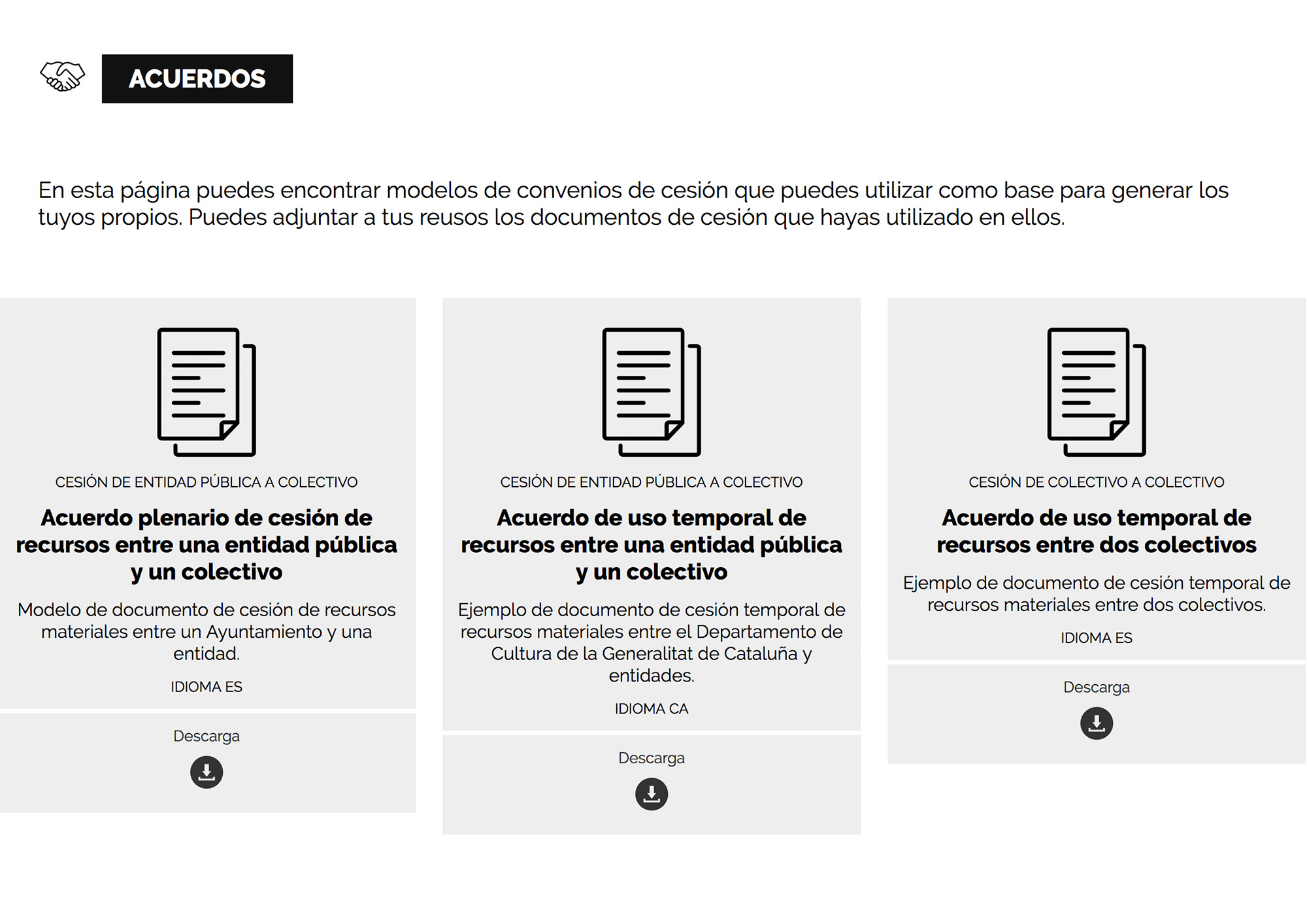
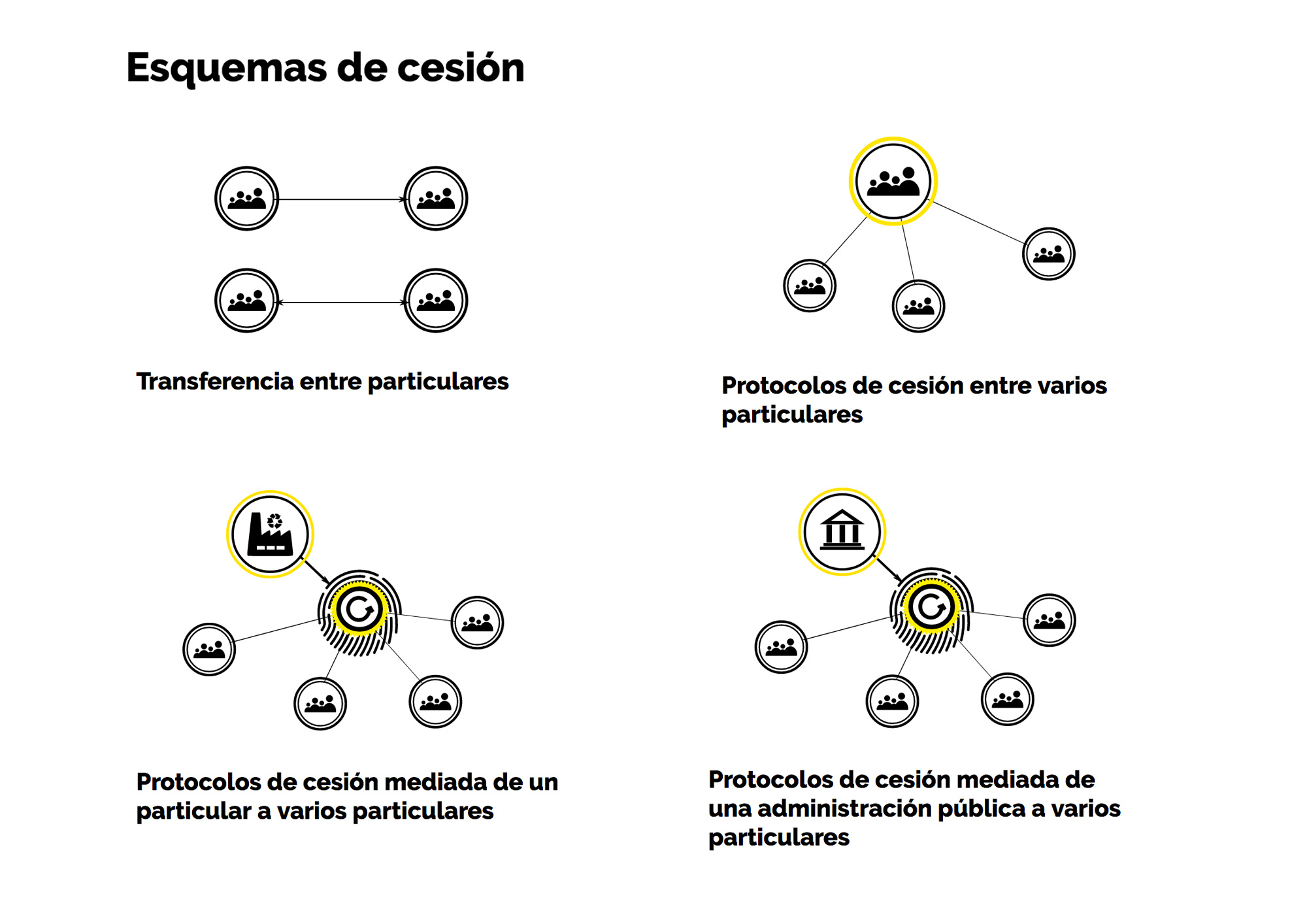
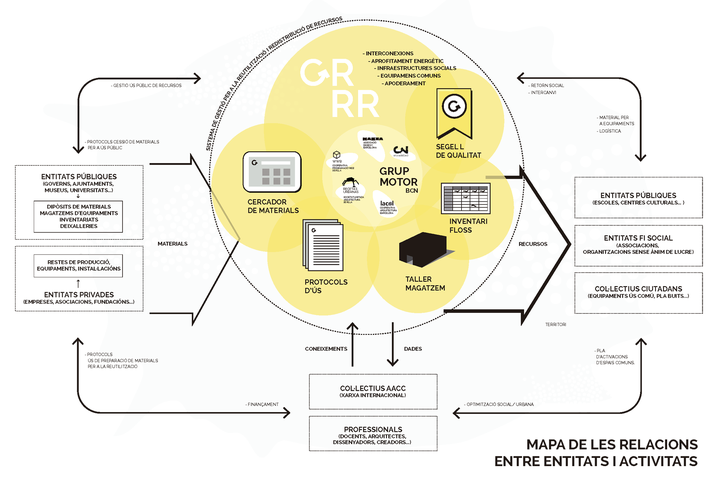
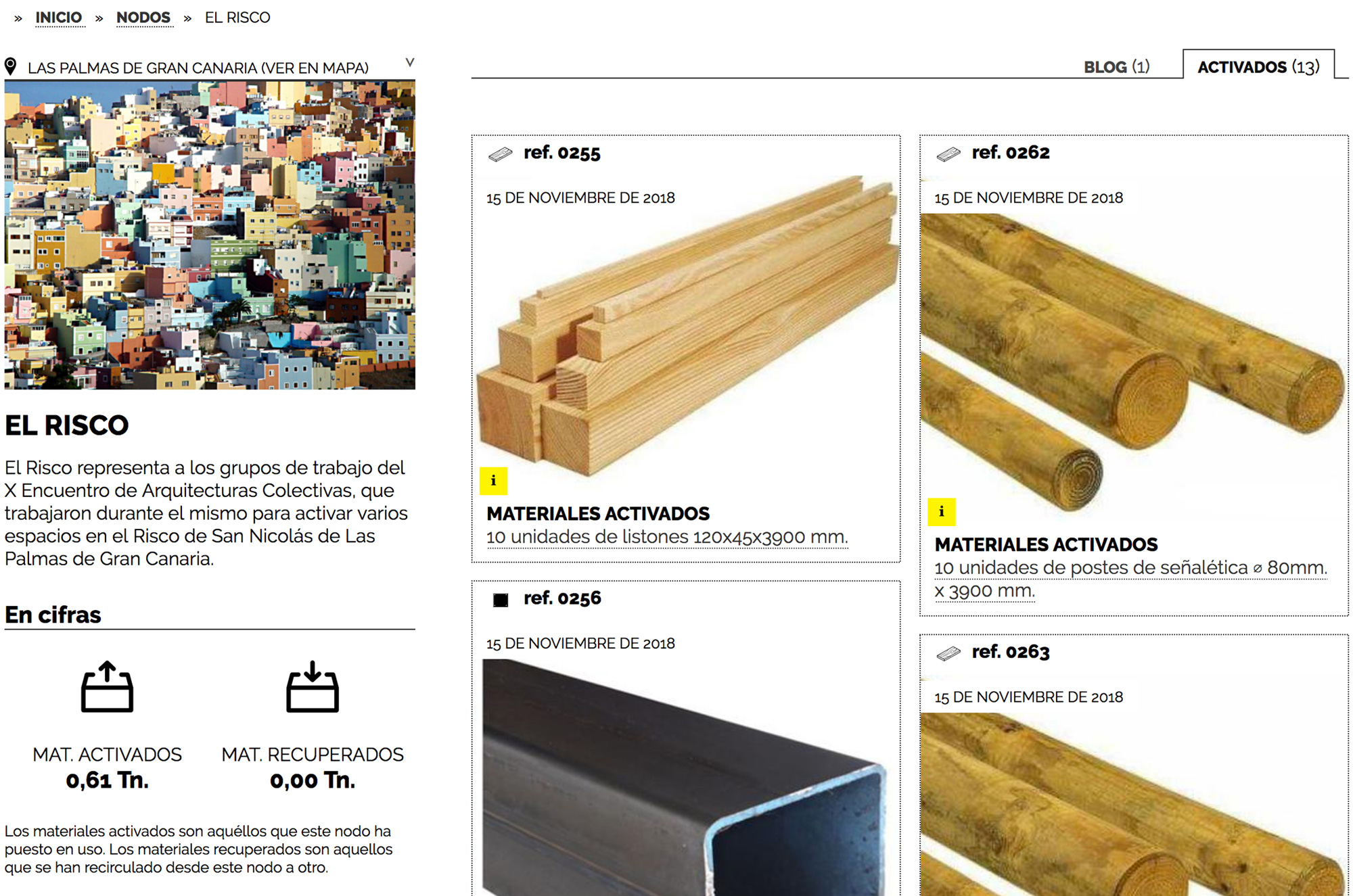
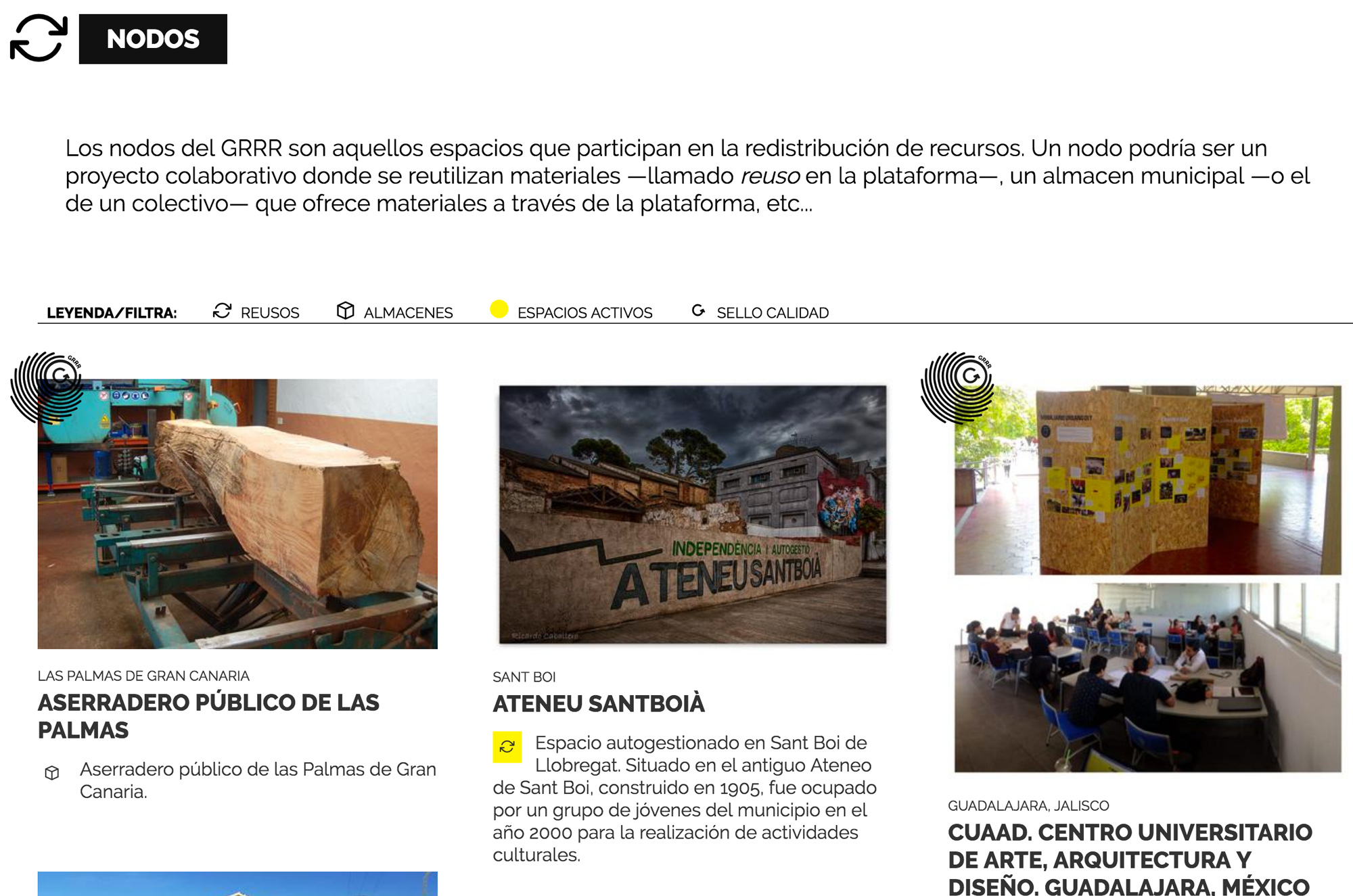
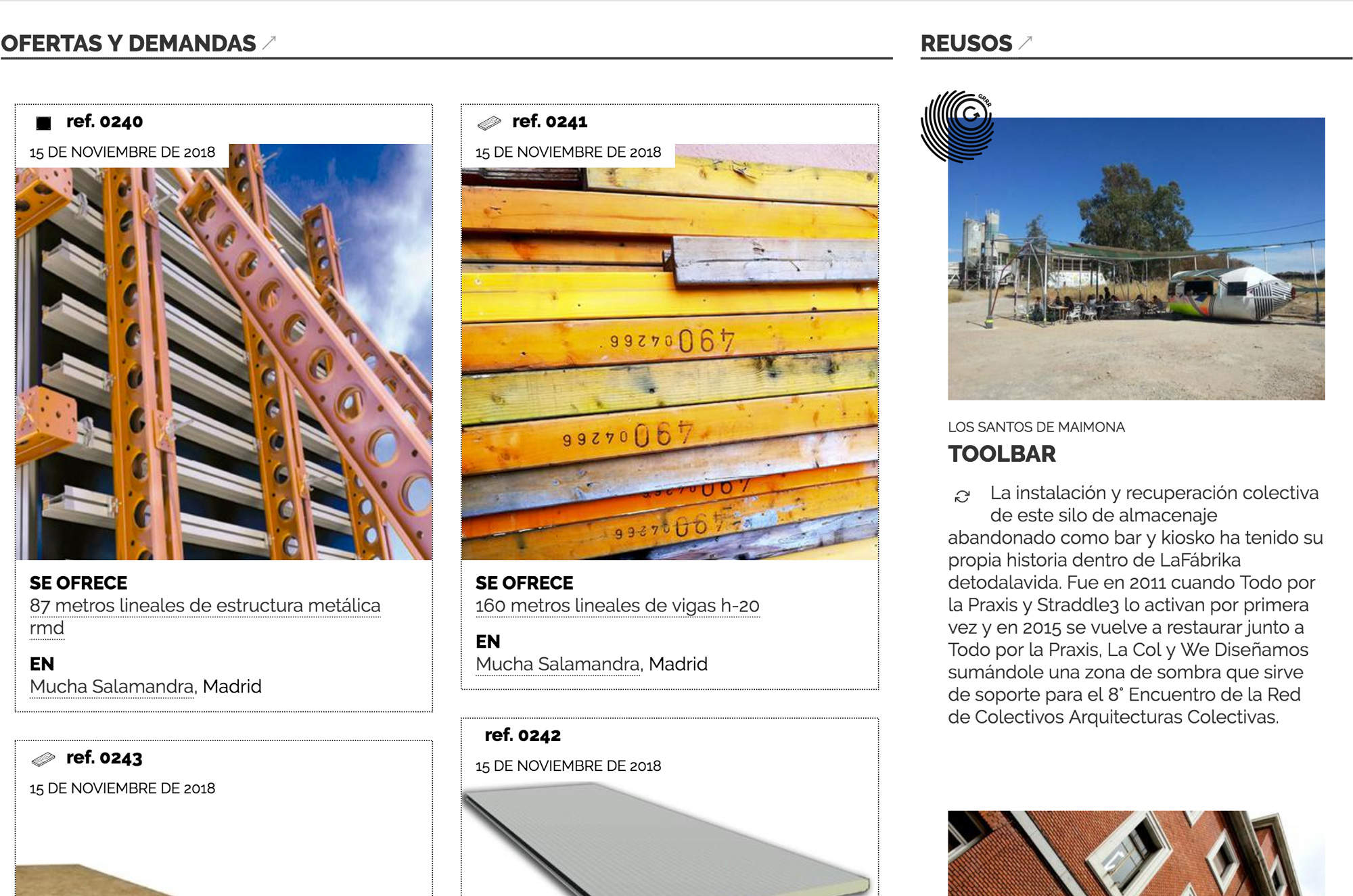
In order for this to happen, we believe it is necessary to develop a complete strategy of protocols, exchange agreements and constructive solutions that allow public and private institutions to make materials available, to enable them to be managed and used properly and to ensure that they are put to use in processes that align with the values of the network. The latter would be indicated using a ‘seal of quality’. All of this must be supported by a technological tool that connects supply and demand, serves as a repository for all of the documentation generated and allows the projects and the life cycle of the materials to be tracked.
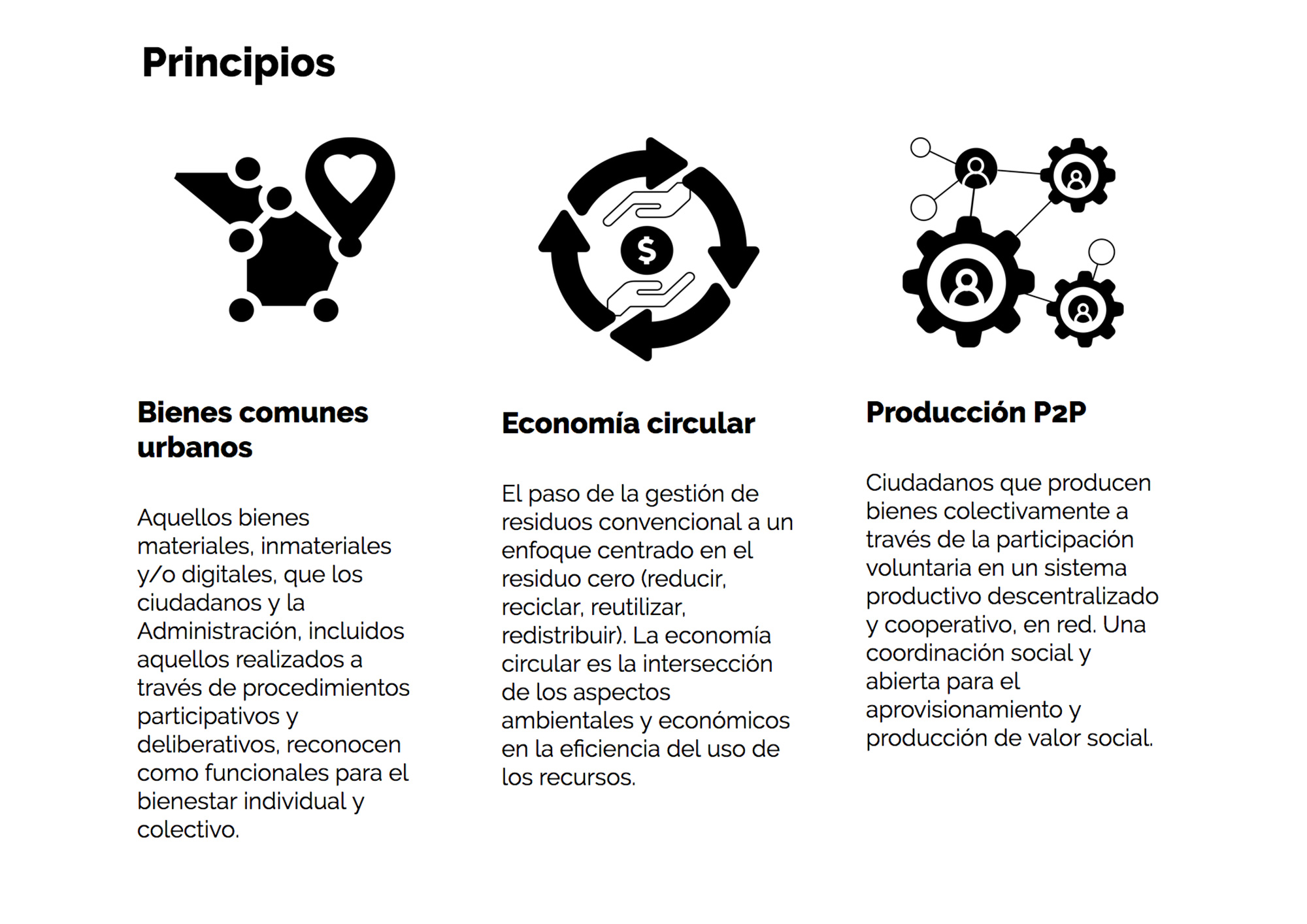
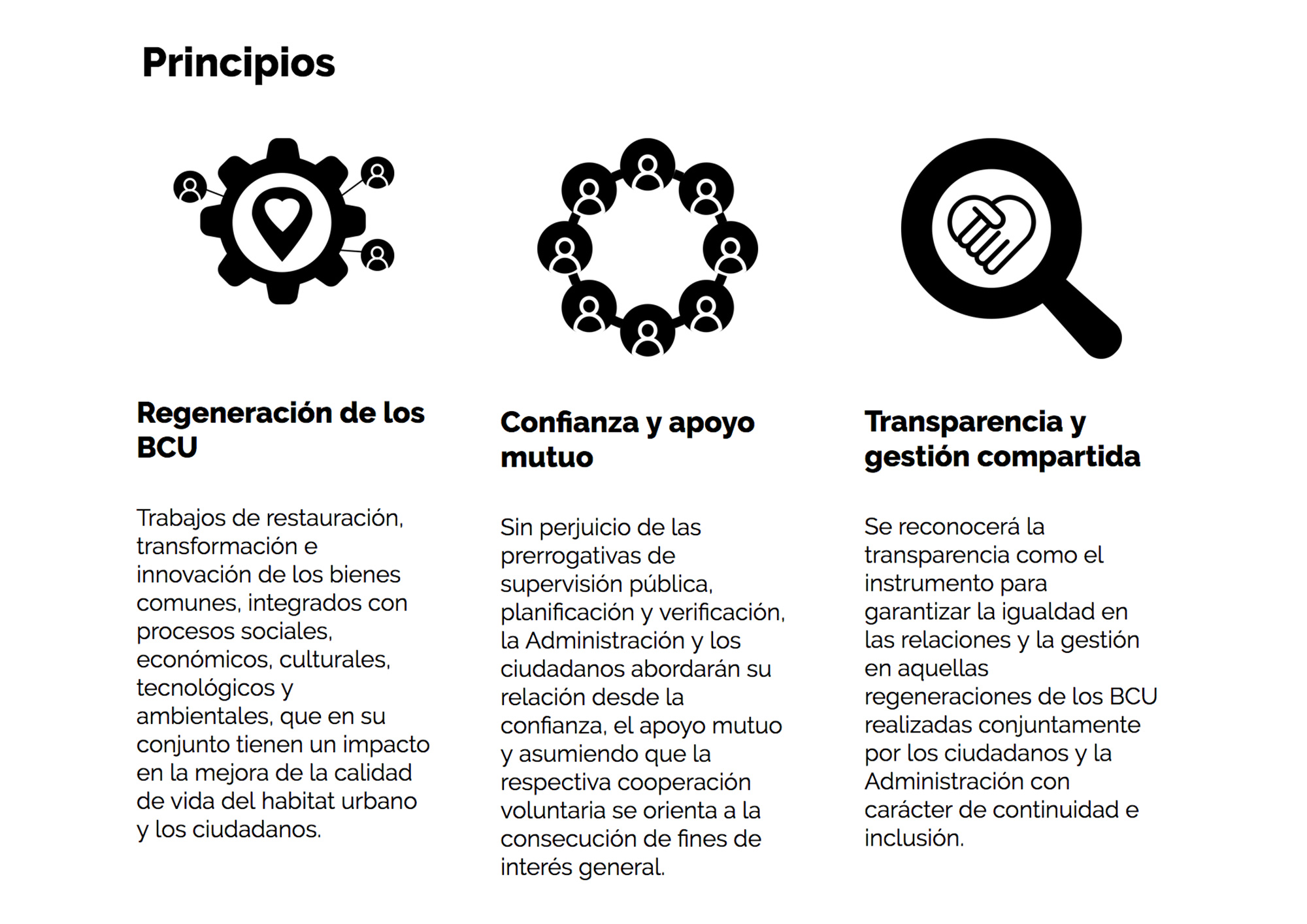
The project’s principles are based on the following values:
- Collaboration (mediated agreements between citizens, administrations or private entities to care for and regenerate the urban commons)
- Responsibility (a central element in relationships between different parties and an indispensable condition in order for collaboration to be effectively focused on the production of useful deliverables)
- Inclusiveness (Interventions that address maintaining and regenerating the urban commons will have to be organised in such a way that allows other interested citizens to participate at any point in time.)